
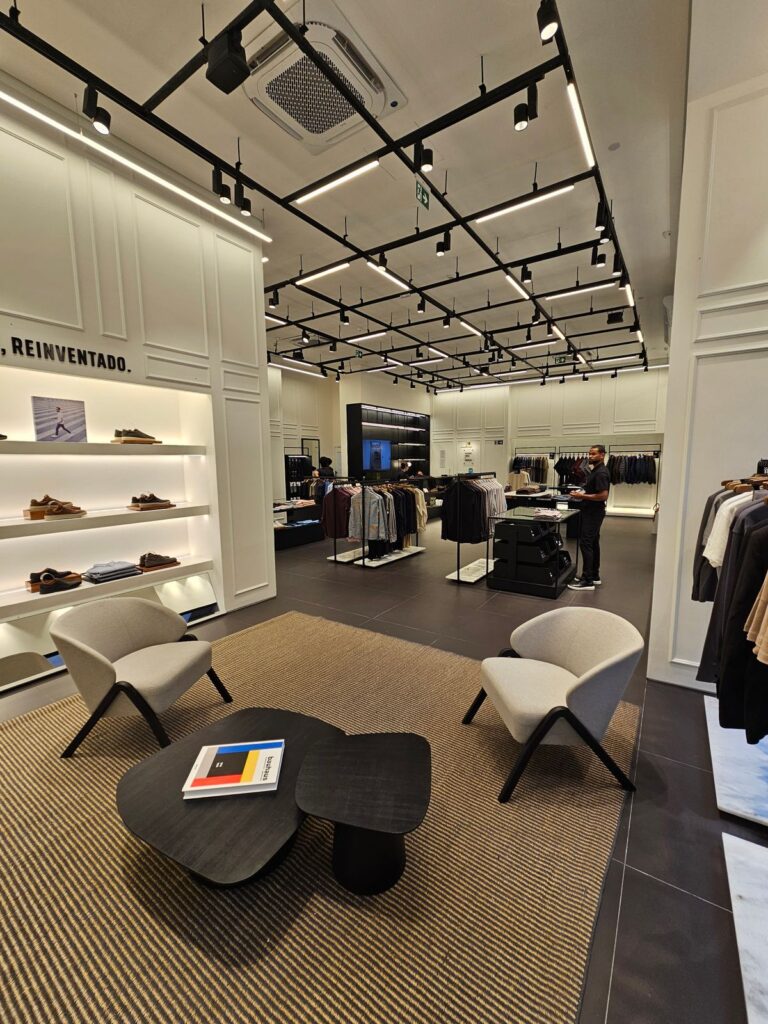
Your best salesperson never speaks. It stands on a ceiling rail, aims a narrow beam at a jacket, a watch, or a perfume bottle, and tells every shopper who walks past: “look at this.” Retail display lighting is not decoration—it is merchandising. A well-aimed track head can do more to move product than a scripted greeting, because light directs attention long before anyone says a word. This guide explains exactly how adjustable track lighting sells merchandise, how to design a display-lighting plan that converts foot traffic into sales, and which fixtures to specify so your store looks premium at every aisle and end cap.
Whether you run a single boutique, manage a chain of fashion stores, or fit out a showroom, the same physics applies: the eye follows contrast. Master accent-to-ambient ratio, beam control, and color rendering with the right track lighting, and you turn every display into a silent pitch. Below we break down the strategy and the specification in plain language.

Why Track Heads Are the Silent Salespeople of Retail
Retailers spend heavily on layout, signage, and staffing, yet the moment of decision usually happens in a fraction of a second as a shopper’s gaze lands on a product. Lighting controls where that gaze lands. Unlike a uniform downlight that flattens a room, an adjustable track head creates a pool of emphasis exactly where you want it—on the hero item, the new arrival, or the high-margin accessory.
Think of retail display lighting as a camera directing a scene. A spotlight isolates the subject, a softer wash sets the mood, and the contrast between the two pulls attention. When a garment on a mannequin is lit three to five times brighter than the surrounding wall, shoppers perceive it as important before they consciously register why. That perception of value is exactly what drives unplanned purchases—the purchases a salesperson never had to pitch.
The beauty of LED track lighting is that this direction is not static. When the buyer moves the best seller from the front rack to the window, the light moves with it. When a seasonal collection replaces last season, you re-aim the heads in minutes rather than rewiring the ceiling.
How a Track Head Actually Sells: The Four Levers
To understand why some displays convert and others are ignored, look at the four variables every track head controls. Get these right and the product does the talking; get them wrong and even a great item looks ordinary.
1. Beam Angle Puts the Spotlight Where It Belongs
A flood beam washes a wide area and is perfect for ambient fill; a narrow 15°–25° spot concentrates intensity on a small object. For retail display, most hero merchandise benefits from a tight beam that isolates it from its neighbors. Because track heads are adjustable, one rail can carry narrow spots for featured pieces, mid beams for clothing racks, and wall-washers for backdrops—no extra circuits needed.
2. Accent-to-Ambient Ratio Creates the “Look Here” Signal
The human eye is drawn to contrast, not raw brightness. Lighting designers aim for an accent-to-ambient ratio of roughly 3:1 to 5:1—the featured product should be three to five times brighter than its surroundings. A display lit to 800–1,000 lux against a 200-lux sales floor reads as “premium and urgent,” while everything lit to the same level reads as “nothing special.”
3. Color Rendering Makes the Product Look Worth Its Price
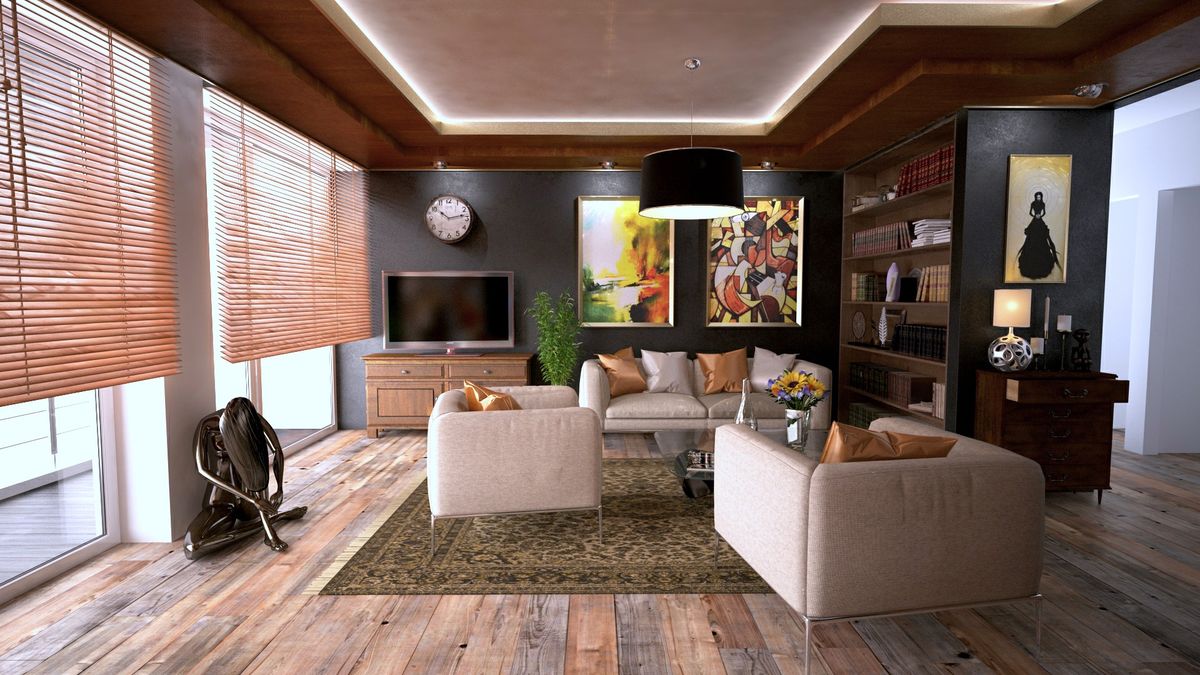
Brightness alone cannot sell a fabric, a food, or a finish—color does. A light source with low color rendering makes a navy jacket look black and a ripe strawberry look grey. Specify track heads with CRI 90+ (ideally 95+) so textiles, food, jewelry, and cosmetics show their true color. In grocery and premium food retail, high-CRI lighting is the difference between appetizing and unappetizing, and it has a measurable effect on purchase intent.
4. Correlated Color Temperature Sets the Mood
Warm 2700K–3000K light flatters skin tones, wood, and premium fashion and creates an inviting, intimate boutique feel. Cooler 4000K reads crisp and technical, often better for electronics, tools, and fresh grocery. Choose your correlated color temperature to match the story of the brand, and keep it consistent across a display so the eye is not confused by shifting hues.

Visual Hierarchy: Lighting the Journey Through Your Store
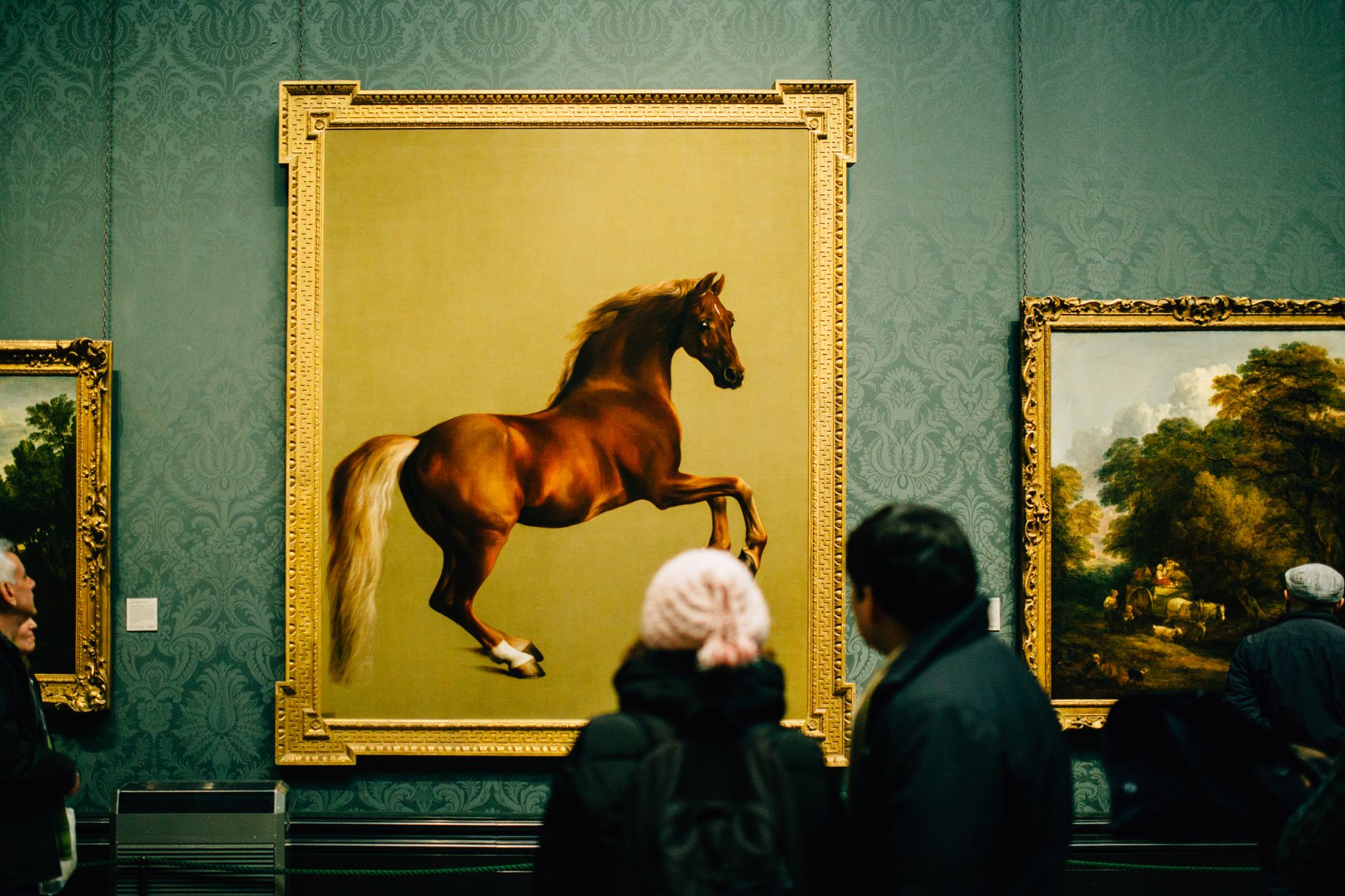
Great store lighting is not one bright blanket—it is a layered sequence that leads shoppers from the entrance to the register and past the highest-margin items. Galleries and museums understood this long before retail borrowed the trick: a focused pool of light on a single object tells visitors this matters. Retailers who treat a hero product the way a museum treats a masterpiece use the same psychology to make customers stop, look, and reach.
Design your layout in layers: a comfortable ambient layer for wayfinding and browsing, a task layer near fitting rooms and counters, and an accent layer of track spots over featured displays and end caps. Keep the accent-to-ambient contrast strong enough to create hierarchy but not so harsh that it produces glare or dark zones where products disappear. Our guide to track lighting for retail stores walks through a full room-by-room plan.
Choosing the Right Track Head for Each Display
| Display Type | Ideal Beam | Recommended Approach |
|---|---|---|
| Hero item / single featured product | Narrow 15–25° spot | Zoomable spot head, 800–1,000 lux, CRI 95+, warm 3000K |
| Clothing rack / mannequin | Medium 25–40° | Even mid-beam wash over the full garment, 500–750 lux |
| Shelf & gondola rows | Narrow on each shelf face | Multiple tight heads or a linear system, avoid hot spots between shelves |
| Wall display / branded backdrop | Wall-washer 60°+ | Even vertical wash to feature graphics and wall merchandise |
| Jewelry & small high-value goods | Very narrow 8–15° | Precise sparkle without glare; CRI 95+ and UV-safe LED |
| Grocery / fresh produce | Medium 30–45° | Bright, even, high-CRI light to make food look fresh and appetizing |
For maximum flexibility on a single rail, zoomable track heads let you change the beam spread in seconds—useful when the same fixture must switch between a mannequin one week and a wall display the next. Magnetic track systems add the ability to slide and re-angle heads along the rail without tools, which is ideal for retailers who restyle fixtures frequently. You can compare options in our commercial track lighting selection guide.
Common Retail Display Lighting Mistakes to Avoid
- Lighting everything the same. Uniform light erases hierarchy. Without a 3:1 contrast between accent and ambient, no product stands out and shoppers skim past.
- Beam too wide for the object. A flood spread over a big area leaves a single featured piece under-lit. Tighten the beam to concentrate output where it sells.
- Ignoring color rendering. Low-CRI light makes merchandise look dull and even alters perceived price. In food and fashion especially, spec CRI 90+.
- Glare that repels shoppers. Fixtures aimed into the eye or visible bare sources make a space uncomfortable. Angle heads and use anti-glare optics so shoppers look at the product, not the lamp.
- Forgetting that displays move. Fixed, non-adjustable lighting forces you to work around the layout. Track heads exist so light follows the merchandise.
- Overlighting can be as bad as underlighting. Beyond waste and glare, too much light can feel harsh and clinical—the opposite of the warm, inviting mood premium retail wants.
Retail Display Lighting FAQs
How many lux does a retail display need?
Featured display areas should be lit to roughly 500–1,000 lux, while the surrounding sales floor sits at 300–500 lux. The 3:1 to 5:1 contrast between the accent beam and the ambient level is what makes the product stand out.
What color temperature is best for retail display lighting?
Warm 2700K–3000K suits premium fashion, boutiques, and hospitality to create an inviting mood and flatter skin and wood tones. Cooler 4000K suits electronics, tools, and fresh grocery for a crisp, clean look. Pick the temperature that matches your brand story.
Why are track lights so popular in retail stores?
Track heads are adjustable and repositionable, letting you aim a precise beam at any product and re-light a display in minutes when merchandise changes. They combine strong accent control, high color rendering, and design flexibility that fixed downlights cannot match.
Is CRI important for displaying products?
Yes. CRI measures how accurately a light renders color. For textiles, food, jewelry, and cosmetics, low-CRI light makes items look dull and unappealing. Specifying CRI 90–95+ track heads shows products in their true, best light.
How do I avoid glare on retail displays?
Aim track heads so beams hit the merchandise, not the aisle or the shopper’s eye, and choose fixtures with anti-glare optics or deep baffles. Position heads slightly forward and above the display so light pools on the product without direct lamp visibility.
Building a Display Lighting Plan That Sells
Turning a retail space into a high-converting display comes down to a disciplined lighting plan:
- Audit the journey. Map where shoppers pause—window, entry, feature walls, end caps, checkout—and decide which items deserve the “hero” treatment at each point.
- Set the accent-to-ambient ratio. Run the sales floor at a comfortable 300–500 lux and plan accent pools of 800–1,000 lux over featured merchandise.
- Match beam to object. Choose narrow zoomable spots for hero pieces and mid beams for racks; use wall-washers to feature backdrops and signage.
- Protect color. Specify CRI 90+ heads and a consistent warm correlated color temperature for premium brand consistency.
- Keep it adjustable. Choose a magnetic track system or rail with zoomable track heads so re-lighting a new layout takes minutes, not an electrician’s visit.
If you want to explore the aesthetic side of dark rails on ceilings, our piece on black track lighting covers the trend, while the metric behind your lux targets is explained in commercial lighting lux requirements by space.
Let Your Lighting Sell for You
Retail display lighting is the quietest and most consistent member of your sales team. It never has an off day, it never forgets the pitch, and it never misses a shopper who is only there for two seconds. With adjustable track heads aimed correctly, you make the merchandise the story and let contrast do the persuading—before your sales team ever says a word.
ENCORE builds architectural LED track lighting systems engineered for retail and display applications, including zoomable VEGA track heads for precise beam control, high-CRI fixtures that make merchandise look its best, and magnetic track systems for stores that restyle often.
Ready to turn your displays into silent salespeople? Our team provides free photometric layout support for retail and showroom projects.