
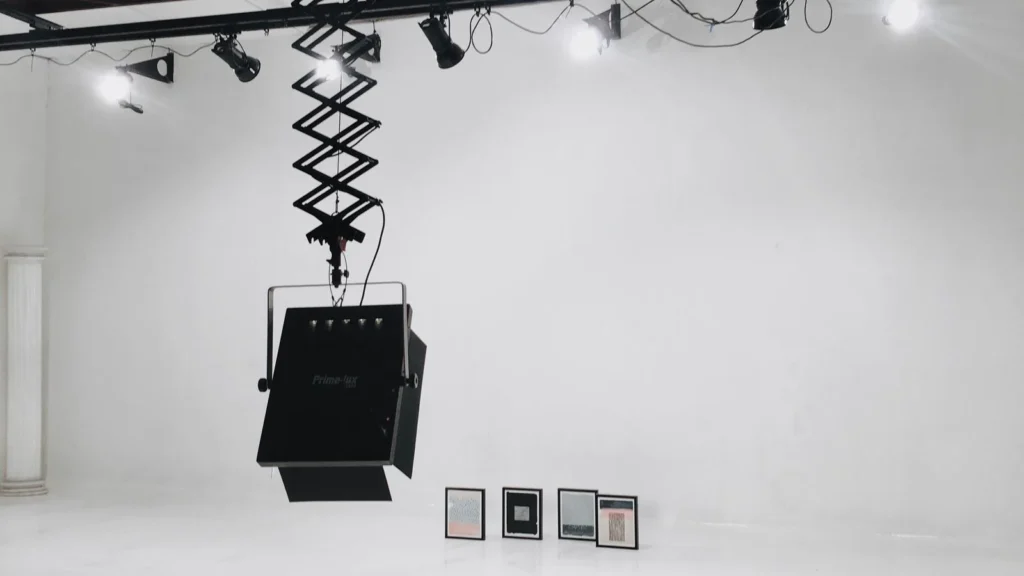
When you buy or spec lighting, two numbers come up constantly: lumens and lux. Yet most people confuse them — and the difference decides whether a room feels bright or dim. In one sentence: lumens measure the total light a fixture emits, while lux measures how much of that light actually lands on a surface. Two identical 1,200-lumen fixtures can produce very different lux depending on distance, beam angle, and where you aim them. This guide breaks down lux vs lumens, how they convert, and the exact lux levels you should design for in every space.
Lux vs Lumens: What’s the Real Difference?
The fastest way to understand the two metrics is with a simple analogy. Think of a hose spraying water:
- Lumens = the total amount of water leaving the nozzle. It tells you the fixture’s light output, no matter where the water goes.
- Lux = how much water lands on a specific patch of ground. It tells you the illuminance at that exact surface.
Manufacturers list lumens on the box because it is a fixed property of the lamp. Lux is always a measurement at a point, so it depends on your fixture height, optics, and distance — which is why the same LED track head can deliver 2,000 lux on a display at 1 m and only 300 lux at 3 m. When you see a spec that says a track light produces 1,800 lumens, that is its output; when a lighting plan says “500 lux at the work plane,” that is the illuminance you need to achieve on the surface.
What Is a Lumen?
A lumen (lm) is the SI unit of luminous flux — the total amount of visible light a source emits per second. It describes quantity of light emitted, regardless of direction or distance. When a bulb is rated “800 lumens,” that is the total light it throws in all directions.
Two things make lumens the right first number to check when buying:
- It is fixture-based, not scene-based. Lumens give you a comparable “brightness budget” across different products regardless of room.
- It drives efficiency. Divide lumens by wattage and you get lumens per watt (lm/W), the standard measure of efficacy. A high-quality COB module at 90–120 lm/W delivers more light for the same energy than an older halogen at 15–20 lm/W.
For accent lighting, a single LED track head typically ranges from 600 to 3,500+ lumens. A room’s total light budget is simply the sum of every fixture’s lumens — but that sum still tells you nothing about how bright any one wall will look. That is exactly what lux answers.
What Is Lux?
A lux (lx) is the SI unit of illuminance — the amount of luminous flux falling on a given area. One lux equals one lumen per square metre. In short: lux = lumens ÷ area (m²), once you account for distance and beam spread.
This is why lux, not lumens, is what lighting designers and building codes care about. Codes and standards specify lux targets (e.g., “300–500 lux on a work surface”), because what your eye actually experiences is the light on the desk, the shelf, or the painting — not the raw output in the ceiling.
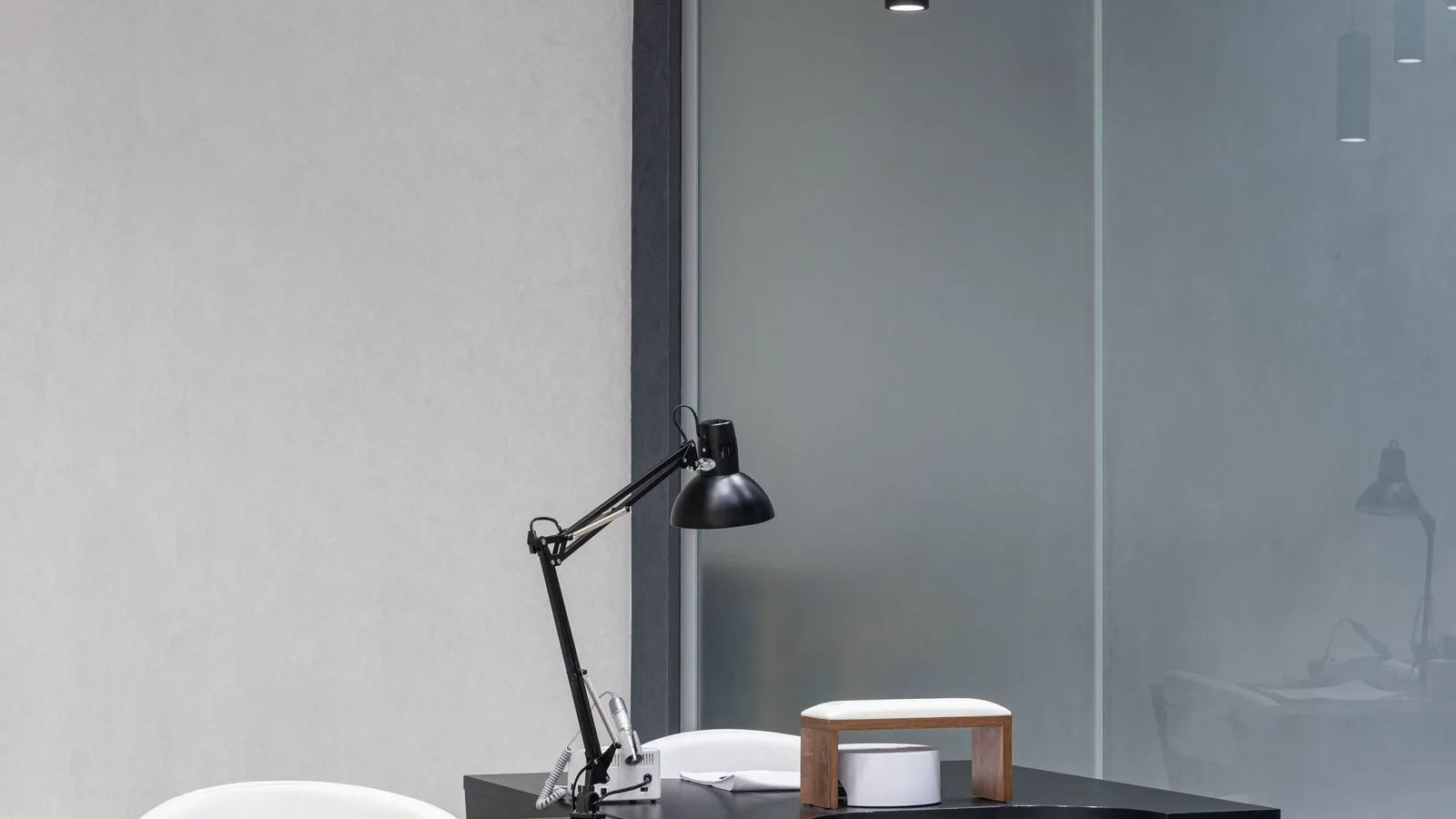
To visualise the scale: a moonlit night is about 1 lux, a dim hallway about 50 lux, a typical living room 150–300 lux, and a retail display or gallery focal point can reach 500–1,000 lux.
Lumens vs Lux: How They Relate
You can convert between the two only if you know the area being illuminated. The governing formula for a uniform beam is:
Lux = Lumens ÷ Area (m²)
So a 1,000-lumen fixture shining on a 2 m² wall gives roughly 500 lux — but only if the beam covers exactly that area. In practice, three factors distort the simple maths:
- Distance & inverse-square law. Doubling the distance spreads the beam over four times the area, cutting lux to a quarter — unless the optics re-focus it.
- Beam angle. A narrow 15°–25° spot concentrates the same lumens into a small pool, producing much higher lux than a 60° flood. This is why zoomable track lights are so useful — one fixture can switch between punchy focal accent and broad wash.
- Reflection & surface. Light-coloured walls bounce light back and raise perceived brightness; dark matte surfaces absorb it.
For a quick planning estimate, a common rule of thumb is that a 20–30 W LED track head mounted 2.5–3 m high delivers roughly 500–800 lux on the surface directly below it with a medium beam. For precision work, always run a photometric layout rather than guessing.
Recommended Lux Levels by Space
Because codes and comfort are expressed in lux, here is a practical reference for typical interiors:
| Space & Task | Recommended Lux | Typical Fixture Approach |
|---|---|---|
| Museum / gallery focal art | 150–300 lux (fragile works as low as 50 lux) | Narrow-beam, high-CRI track spots |
| Retail display & hero products | 500–1,000 lux | Medium-beam track heads, 3:1 accent-to-ambient |
| Office & study (task) | 300–500 lux | Even ambient + adjustable task light |
| Kitchen counter | 300–500 lux | Under-cabinet or track task light |
| Living room / lounge | 150–300 lux | Dimmable ambient with accent layers |
| Restaurant / hospitality | 100–200 lux ambient | Warm, dimmable accent over tables |
| Circulation / corridor | 100–150 lux | Wide-beam, even flood |
Museums and galleries are the most lux-sensitive spaces, where too much light damages pigments. For the exact conservation thresholds and CRI/UV guidance, see our companion guide on museum lighting requirements: lux, CRI & UV.

Lumens, Lux, and Choosing the Right Fixture
Here is the practical workflow most people miss. Start from the lux you need on the surface, then work backwards to the lumens you should buy:
- Define the target lux. Look up the recommended level for your task in the table above.
- Estimate the area. Measure the display, desk, or wall you need to illuminate.
- Multiply. Target lux × area = minimum total lumens needed at that plane.
- Adjust for height and beam. Add a safety margin for ceiling height, and use tighter beams to hit higher lux with fewer watts.
Choosing a fixture with the right optics is often more valuable than chasing more lumens. A zoomable or track light lets you concentrate output exactly where you need it, and a wall-wash profile spreads it evenly across a surface. For projects where layouts change often, a magnetic track lighting system lets you swap heads to re-tune lux levels without rewiring.

Lux vs Lumens: FAQs
Is 1 lux the same as 1 lumen?
No. One lux equals one lumen per square metre. A lumen is the total light a source emits; lux is how much of that light falls on a given area. Two fixtures can emit the same lumens yet produce very different lux depending on distance and beam angle.
How do I convert lumens to lux?
Divide the lumens by the area being illuminated: lux = lumens ÷ area in m². This is only an estimate, because distance, beam spread, and surface reflectance all affect the real lux at the surface.
How many lux do I need for a living room?
About 150–300 lux for comfortable ambient light. For reading or focused tasks, target 300–500 lux on the work plane, often with a floor lamp or track head aimed at the task area.
Why do museums care so much about lux?
Light is cumulative energy that damages pigments over time. Museums keep fragile works as low as 50 lux and moderately sensitive works at 150–200 lux, while using high-CRI, low-UV light to preserve colour.
Are higher lumens always better?
Not necessarily. What matters is whether those lumens are aimed where you need them. A concentrated narrow beam can produce higher lux with fewer lumens than a broad flood that spreads the same output over a huge area.