

What Is Commercial Track Lighting?
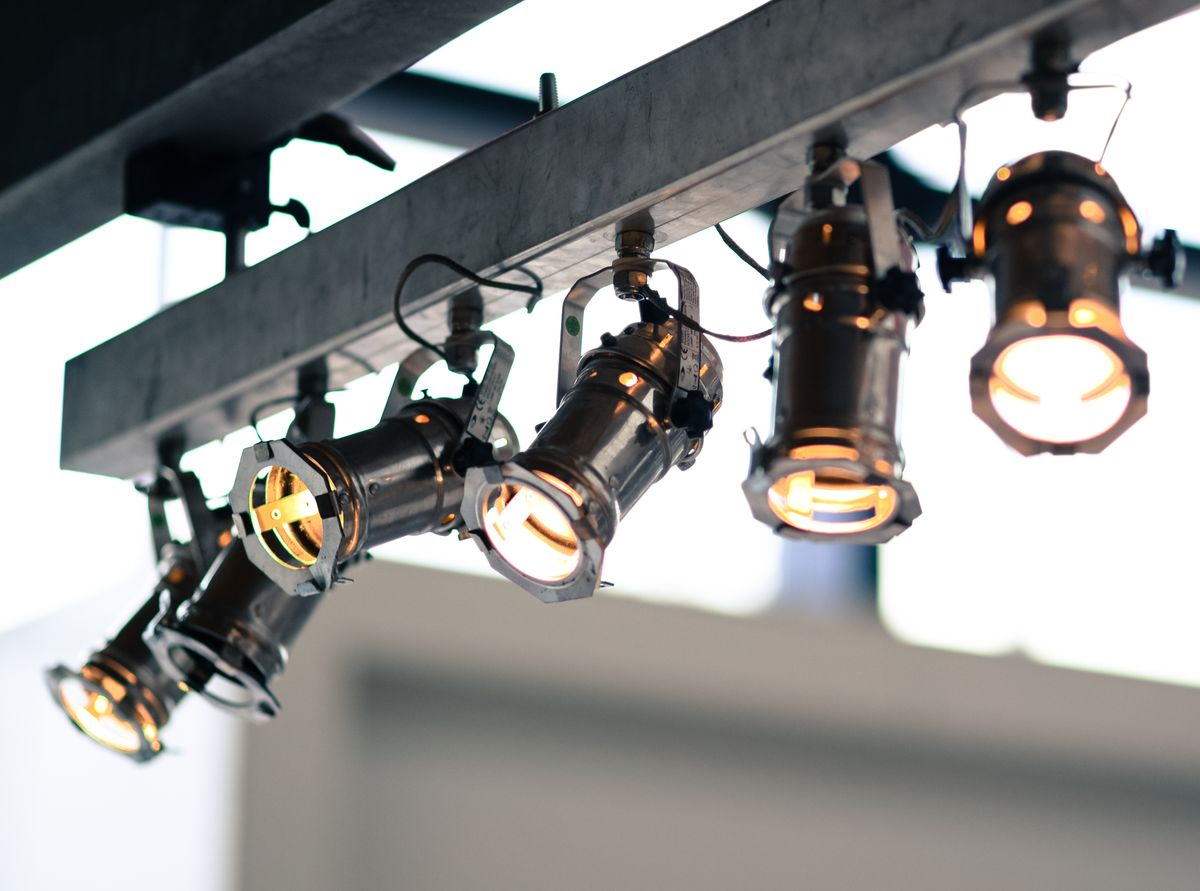
Commercial track lighting is a linear, low-voltage or line-voltage rail system with individually aimable LED heads, engineered for retail stores, offices, galleries, hotels, and restaurants. Unlike a single ceiling fixture, a track lets you position, angle, and swap light heads anywhere along the rail so every beam lands exactly where your business needs it.
For specifiers and facility owners, the appeal is simple: track lighting delivers museum-grade accent light, flexible reconfiguration, and full dimming control without rewiring a ceiling. This guide walks through the specifications that actually matter, how to select the right fixtures, and how to spec a system that performs for years.

Whether you are equipping a fashion boutique, a showroom, a restaurant, or a gallery, understanding lumens, beam angles, CRI, and dimming compatibility up front prevents costly mistakes. Below, we break down each specification, compare track lighting with alternatives, and give you a repeatable selection workflow for commercial projects.
Key Specifications to Check Before You Buy
Not all commercial track lighting is created equal. These are the five specifications that separate a professional system from a decorative one.
1. Beam Angle: Spot, Flood, or Wall Wash
Beam angle controls how tightly light is concentrated. A 15°–25° narrow beam creates a dramatic spotlight on hero products or artworks. A 30°–40° medium beam suits shelving and display walls. A 60°+ flood provides even ambient coverage. Many commercial heads are zoomable (e.g. 15°–50°) so one fixture can be re-tuned as displays change.
2. Color Rendering Index (CRI)
CRI measures how accurately colors appear under a light source, on a 0–100 scale. For merchandise, fabrics, food, and artwork, specify CRI 90+; premium retail and gallery projects often demand CRI 95+. Low-CRI light makes reds muddy, whites look dull, and finishes appear flat—the fastest way to lose a sale.
3. Color Temperature (CCT)
Color temperature sets the mood. 2700K–3000K warm white suits restaurants, boutiques, and hospitality. 3500K–4000K neutral white energizes offices, showrooms, and supermarkets. 5000K+ cool white clarifies technical and industrial spaces. Many commercial track heads offer switchable CCT (e.g. 3000K/3500K/4000K) for project flexibility.
4. Lumen Output & Efficacy
Output per head typically ranges from 600 to 3,500+ lumens. Match total lumens to the ceiling height and the task. High-efficacy COB modules (90–120 lm/W) deliver more light per watt, which lowers both energy bills and cooling loads in conditioned commercial spaces.
5. Driver & Dimming Compatibility
Commercial environments need robust control. Specify fixtures with dimmable drivers that support 0–10V, DALI, or TRIAC dimming, and confirm compatibility with your building’s lighting control system. Flicker-free drivers (high-frequency PWM) are essential in retail and video environments.
Magnetic vs. Traditional Track Lighting for Commercial Use
A decision many specifiers face is whether to use a traditional AC line-voltage track or a low-voltage magnetic rail. Both have a place in commercial projects, and the right choice depends on how often your layout changes.
Traditional track lighting runs on mains AC voltage, uses mechanically locked heads, and delivers high output at a lower per-fixture cost. It is ideal for fixed layouts where the position of displays rarely changes.
Magnetic track lighting uses a low-voltage DC48V rail with tool-free magnetic fixtures that snap on and off in seconds. This makes reconfiguration effortless when displays, art, or merchandise move frequently. Magnetic systems also tend to use high-efficacy COB modules and integrate easily with smart control. For a deeper comparison, see our guide on magnetic vs. traditional track lighting.
For commercial environments where retail layouts are updated seasonally, many owners choose a magnetic rail for the flexibility and a few traditional high-output heads for intense focal accents.
Commercial Track Lighting vs. Other Commercial Lighting
Before committing to track, compare it against the common alternatives to be sure it fits your project.
| Solution | Flexibility | Best For | Limitations |
|---|---|---|---|
| Track Lighting | High — re-aim and reposition heads freely | Retail, galleries, showrooms, flexible offices | Visible rail; beam can create glare if not aimed |
| Recessed Downlights | Low — fixed position after install | Clean ceilings, general ambient light | Hard to re-aim; ceiling must allow cut-outs |
| Linear/COB Strips | Medium — continuous runs, fixed direction | Wash walls, cove lighting, offices | Less punch for accent; needs even mounting |
| High-Bay / Pendant | Low — fixed hanging positions | Warehouses, gyms, high ceilings | Not directional for accent displays |
In practice, most commercial projects use track lighting as the accent layer, combined with recessed ambient light for a complete three-layer system.
Where Commercial Track Lighting Works Best
Retail & Boutique Stores
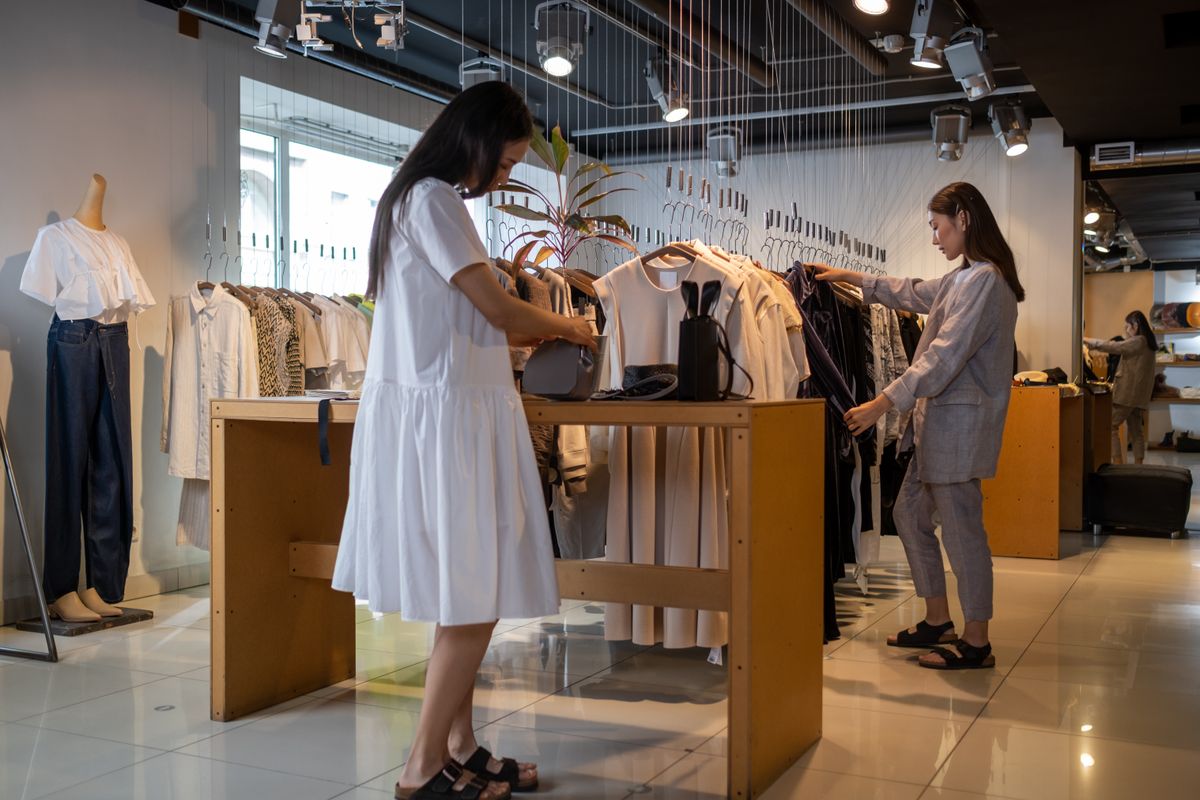
Track lighting gives retailers the theatrical control to spotlight new arrivals, sales racks, and window displays, and to re-aim beams whenever merchandise moves. For deeper guidance on boosting sales with light, see our track lighting for retail stores guide.
Galleries & Museums
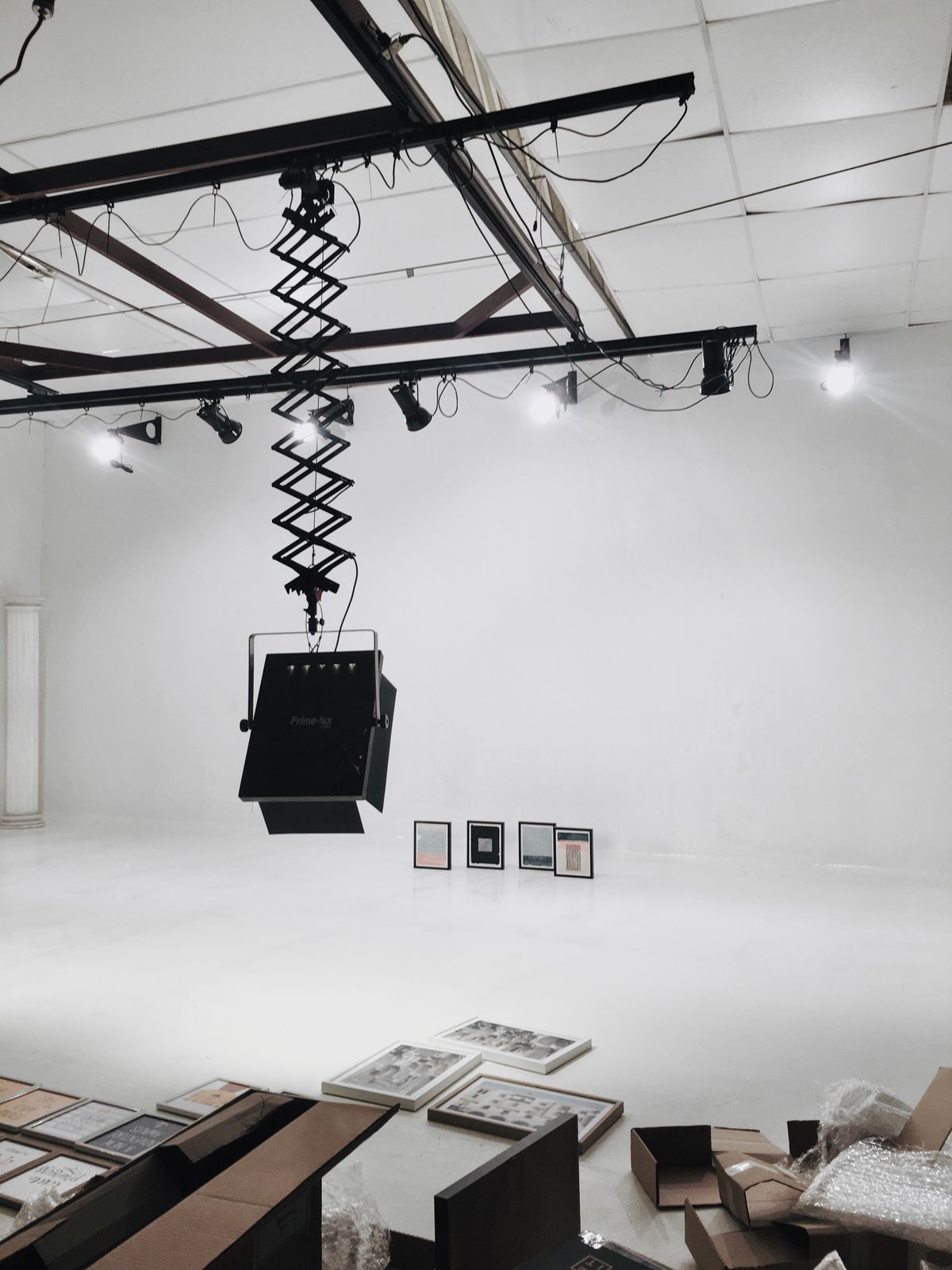
Narrow-beam, high-CRI track heads protect and flatter artwork while offering the UV-safe, low-heat output museums require.
Restaurants & Hospitality
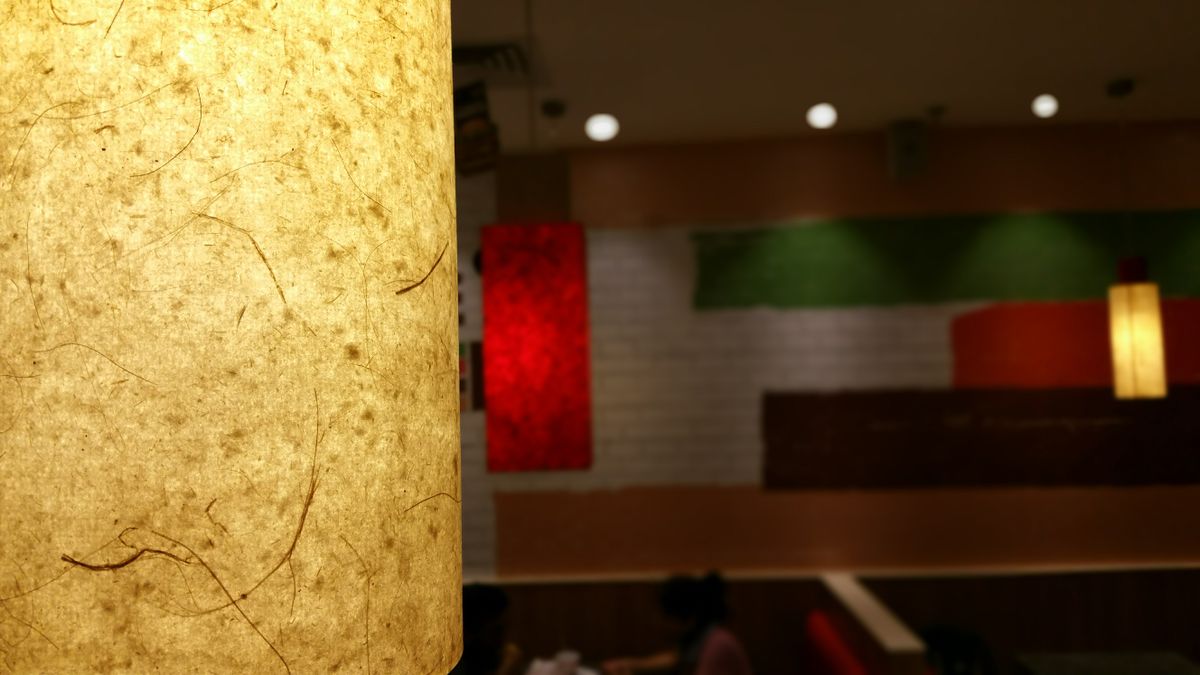
Warm, dimmable track lighting builds intimate ambiance over tables while keeping menus and architecture crisp. Explore our restaurant track lighting design tips.
Offices & Showrooms
Neutral CCT and adjustable heads make track lighting ideal for product showrooms, design studios, and flexible workspaces where layouts change.
How Many Track Lights Do You Need? Layout & Spacing
Getting the fixture count right avoids both dark corners and wasteful over-lighting. Use these rules of thumb when planning a commercial space:
- Measure the target illuminance. For retail displays, aim for 500–1,000 lux at the product face; for general circulation, 150–300 lux is usually enough.
- Work out the lumen budget. Multiply the zone area (in square meters) by the target lux, then divide by the lumen output per head to estimate the fixture count.
- Space heads for overlap. For medium beams (24–36°), space fixtures so adjacent beams overlap by 10–20% to avoid dark gaps on wall displays.
- Maintain a contrast ratio. Aim for 3:1 to 5:1 between accent and ambient light so focal points pop without glare.
- Respect glare limits. Keep beam angles below about 45° from horizontal in occupied zones, or use louvered/anti-glare heads.
When in doubt, model the space with a photometric layout tool or ask your supplier for a free lighting layout. Most reputable manufacturers, including ENCORE, provide specification support for commercial projects.
Common Commercial Track Lighting Mistakes to Avoid
Even with the right fixtures, small specification errors can undermine a project. Watch out for these:
- Buying low-CRI fixtures. CRI 80 looks fine in a catalog but makes merchandise look dull in person. Always spec CRI 90+ for retail and hospitality.
- Ignoring driver compatibility. A fixture that cannot dim with your control system is a costly rework. Confirm 0–10V, DALI, or TRIAC support before purchase.
- Under-specifying for ceiling height. A 20W head that works at 2.7m can look dim on a 5m ceiling. Choose higher-lumen heads and tighter beams for tall spaces.
- Overlooking heat and ratings. For kitchens, outdoor canopies, or damp areas, verify the IP/IK rating of the track and heads.
- Not planning control zones. Grouping circuits by zone lets you dim displays, set after-hours scenes, and save energy.
LED Track Lighting Buying Checklist
Use this specification checklist to build a reliable commercial track lighting system:
- Measure ceiling height — higher ceilings need higher lumen output and tighter beam control.
- Define zones — map accent, ambient, and task areas across the floor plan.
- Choose track type — 3-wire line voltage or magnetic DC48V for frequent reconfiguration.
- Select CCT — match Kelvin to brand, merchandise, and atmosphere.
- Specify CRI — CRI 90+ minimum, CRI 95+ for premium retail and art.
- Pick beam angles — narrow for focal points, medium for walls, wide for floods.
- Confirm dimming — 0–10V, DALI, or TRIAC matched to your control system.
- Verify heat & voltage — choose IP/IK ratings for the environment and correct track voltage.
For a complete range of ready-to-spec fixtures, browse the commercial track lighting collection from ENCORE, or contact our specification team for project-specific support.
For independent technical reference, consult industry guidance from the Illuminating Engineering Society (IES) and the U.S. ENERGY STAR lighting program when finalizing your specification.
Commercial Track Lighting: FAQs
What is the difference between commercial and residential track lighting?
Commercial track lighting is designed for higher duty cycles, longer operating hours, and more demanding photometric performance. It typically uses higher-lumen COB modules, CRI 90+ optics, and robust drivers, while residential track lighting prioritizes aesthetics and lower output for smaller rooms.
What is the best beam angle for commercial track lighting?
A 24°–36° beam is the most versatile for general retail and display. Use 15°–25° narrow beams to spotlight hero products or artwork, and 60°+ floods for ambient coverage. Zoomable heads let you tune the angle on site.
How many track lights do I need for a commercial space?
It depends on ceiling height, target illuminance, and beam angle. As a rule, aim for 3:1 to 5:1 contrast between accent and ambient light. A lighting designer can calculate the exact lumen budget and fixture spacing for your floor plan.
Can track lighting be used in offices?
Yes. Adjustable heads and neutral CCT (3500K–4000K) make track lighting ideal for showrooms, design studios, and flexible offices. It provides glare-controlled accent light while remaining easy to reconfigure as layouts change.
Is LED track lighting energy efficient?
Yes. Modern LED track fixtures deliver 90–120 lm/W, dim smoothly, and last 50,000+ hours, cutting both energy use and maintenance costs compared with older halogen track systems. This makes LED track lighting a strong ROI for multi-location commercial chains.
Ready to Specify Your Commercial Track Lighting?
Commercial track lighting is one of the highest-value investments a business can make in how its space looks and performs. The right fixtures deliver precise accent light, total layout flexibility, and years of low-maintenance operation.
ENCORE offers a full range of architectural track lighting systems for retail, hospitality, gallery, and office projects—including standard track lights, magnetic systems, and wall-wash profiles. Our team provides specification support for chains, fit-outs, and showrooms worldwide.
Explore our track lighting collection:
- VEGA Zoomable Track Light 20–30W (zoomable 15–50° beam)
- CADIO Track Light 20–30W (commercial accent)
- MEGA Track Light 15–20W (high-output spot)
- Track Lighting for Retail Stores (guide)
- Exposed Track Lighting: Wall Wash (display technique)
Contact our lighting specification team for a free project consultation →